Your Coffee Is Probably Stale. But When Do Coffee Beans Really Peak?

Most coffee is stale by the time you drink it. But drinking it the same day as roasting isn't the answer either. Beans actually taste best about 4 to 14 days after roasting.
You might not know it, but you've probably been drinking stale coffee your whole life.
The reason is actually pretty simple. But the solution might not be what you'd guess.
So Why Is It Stale?
Large-scale commercial coffee is roasted in massive batches, packaged, shipped to warehouses, distributed to stores, and then sits on shelves.
By the time you buy it, that coffee is often 2 to 6 months past its roast date.
Over time, oxygen slowly breaks down the flavorful oils and aromatic compounds inside the beans.
For a coffee drinker, this means duller flavor, less aroma and sweetness, and bitterness without balance.
So You Should Drink It the Same Day It's Roasted?
Makes sense, right? Fresher = Better?
Luckily (since most of us don't have a roaster in our garage), this is not the answer either.
Coffee brewed the same day it's roasted often tastes sharp, gassy, and uneven.
Why? Because freshly roasted beans are packed with trapped carbon dioxide.
When you brew coffee, hot water pulls flavor compounds out of the ground beans. That process is called extraction.
Too much trapped gas pushes water away from the grounds and prevents good extraction.
The Real Sweet Spot: 4 to 14 Days After Roast
After roasting, beans naturally release carbon dioxide in a process called degassing.
If you've ever wondered what that small round valve on a coffee bag is for, this is it. It lets carbon dioxide escape without letting oxygen in, helping preserve freshness.
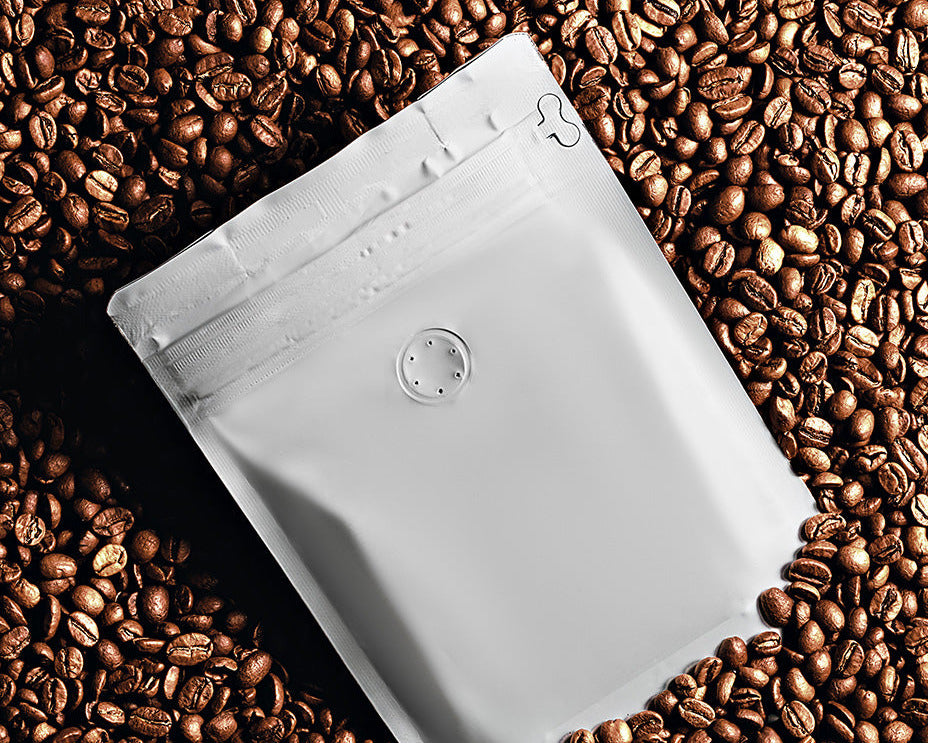
As the excess gas escapes, brewing becomes more stable and flavors become more balanced.
Most specialty coffee reaches peak balance between 4 and 14 days after roasting.
This is when aroma is vivid, sweetness is clear, and acidity feels smooth rather than sharp.
Does Roast Level Matter?
Yes. Roast level can shift the ideal window slightly.
- Light roast: Often peaks closer to days 5 to 14 due to slower degassing.
- Medium roast: Excellent between days 4 to 12.
- Dark roast: Degasses faster and may peak earlier, often days 3 to 10.
Does Brew Method Matter?
Brew method can also influence timing.
- Espresso: Often benefits from resting 5 to 10 days to reduce excess gas.
- Pour over and drip: Shines between 4 and 14 days.
- French press: Slightly more forgiving, but still best within the standard peak window.
Think of freshness like a window. Too early or too late, and you miss it.
So How Do You Actually Drink It at the Right Time?
Most of us are not roasting our own coffee.
But we also don't want coffee that has been sitting in a warehouse for months.
This is exactly the problem we set out to solve.
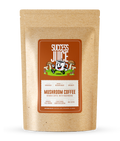
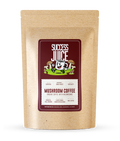
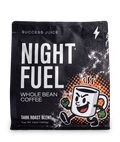
Our coffee is roasted-on-demand, which means we only roast in small batches. No large batches. No dusty warehouses.
It arrives at your door as soon as 4 days after roasting — placing it directly inside the peak flavor window.
- Most grocery store coffee is 2–6 months past its roast date before you even buy it
- Day-of-roast coffee isn't the answer — trapped CO₂ blocks proper extraction
- The sweet spot is 4 to 14 days post-roast, when gas has settled and flavors peak
- Light roasts peak later (days 5–14); dark roasts peak earlier (days 3–10)
- Roasted-on-demand means your coffee arrives inside the peak window, not after it
Coffee That Arrives at Peak Freshness
We only roast in small batches — no warehouses, no guessing. Your bag arrives 4 to 14 days after roasting, right inside the peak flavor window.