What Is Matcha? And Why It's Everywhere Right Now

Matcha is a finely ground green tea powder made from shade-grown leaves. You drink the whole leaf — which means more antioxidants, smoother energy, and better focus than regular green tea. Quality matters a lot, especially with ceremonial grade.
You've probably seen matcha everywhere lately.
Bright green lattes. Wellness cafés. Instagram drinks that look almost too green to be real.
But what actually is matcha? And why do some taste smooth and creamy while others taste bitter and grassy?
What Is Matcha?
Matcha is a powdered form of green tea made from specially grown tea leaves. Unlike traditional green tea, where leaves are steeped and tossed, matcha is fully consumed.
That means you're drinking the entire leaf.
And everything naturally inside it.
Isn't It Just Green Tea?
Yes. But it's more.
Matcha and green tea come from the same plant. The difference is how you consume them.
With green tea, you steep whole leaves in hot water and throw them away. With matcha, those same leaves are stone-ground into a fine powder and fully consumed.
That's why matcha delivers a higher concentration of antioxidants and nutrients per cup.
So What's All the Fuss?
Well, one answer is simply: it's energy without the chaos.
Matcha contains caffeine, but it's paired with L-theanine, an amino acid that helps slow how caffeine is absorbed. That combo can lead to smoother, more sustained energy compared to coffee.
People often describe it as focused, calm, and steady. Not jittery. Not crashy.
But energy is only part of the story.
The Health Side of Matcha
Matcha is especially rich in catechins, including EGCG, a compound studied for its antioxidant activity.
Research has also linked regular matcha consumption with improved focus, metabolic support, and overall wellness when enjoyed as part of a balanced diet.
Ceremonial vs Culinary Grade
Not all matcha is created equal.
Grade matters.
Ceremonial matcha is made from younger, higher-quality leaves and is intended to be enjoyed on its own. When it's good, it tastes smooth, lightly sweet, and almost creamy — with a fresh, clean finish.
Culinary matcha uses older leaves. It's more bitter and usually reserved for baking or sweetened drinks.
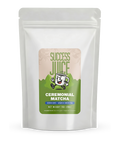
If you're curious what matcha is supposed to taste like, this is exactly why we created our own Ceremonial Matcha.
Once you've tasted high-quality matcha, it's hard to un-taste it.
How to Drink Matcha
Traditional preparation involves whisking matcha with hot water using a bamboo whisk until frothy.
But modern matcha is flexible. Hot or iced. In lattes or smoothies. With milk or simply water. What matters most is how it tastes.
The Bottom Line
Matcha is not just green tea in powdered form. It's a different experience entirely.
When the quality is right, matcha delivers smooth energy, focus, and flavor that's hard to go back from.
- Matcha is powdered whole-leaf green tea — you consume the entire leaf, not just the water it steeps in
- L-theanine paired with caffeine creates smooth, focused energy without the crash
- Ceremonial grade is smooth and slightly sweet; culinary grade is bitter and meant for baking
- Quality varies more with matcha than almost any other drink — source matters
Ready to Taste Real Matcha?
Our Ceremonial Matcha is stone-ground from shade-grown leaves in Shizuoka, Japan. Smooth, clean, and nothing like the stuff from a café.